
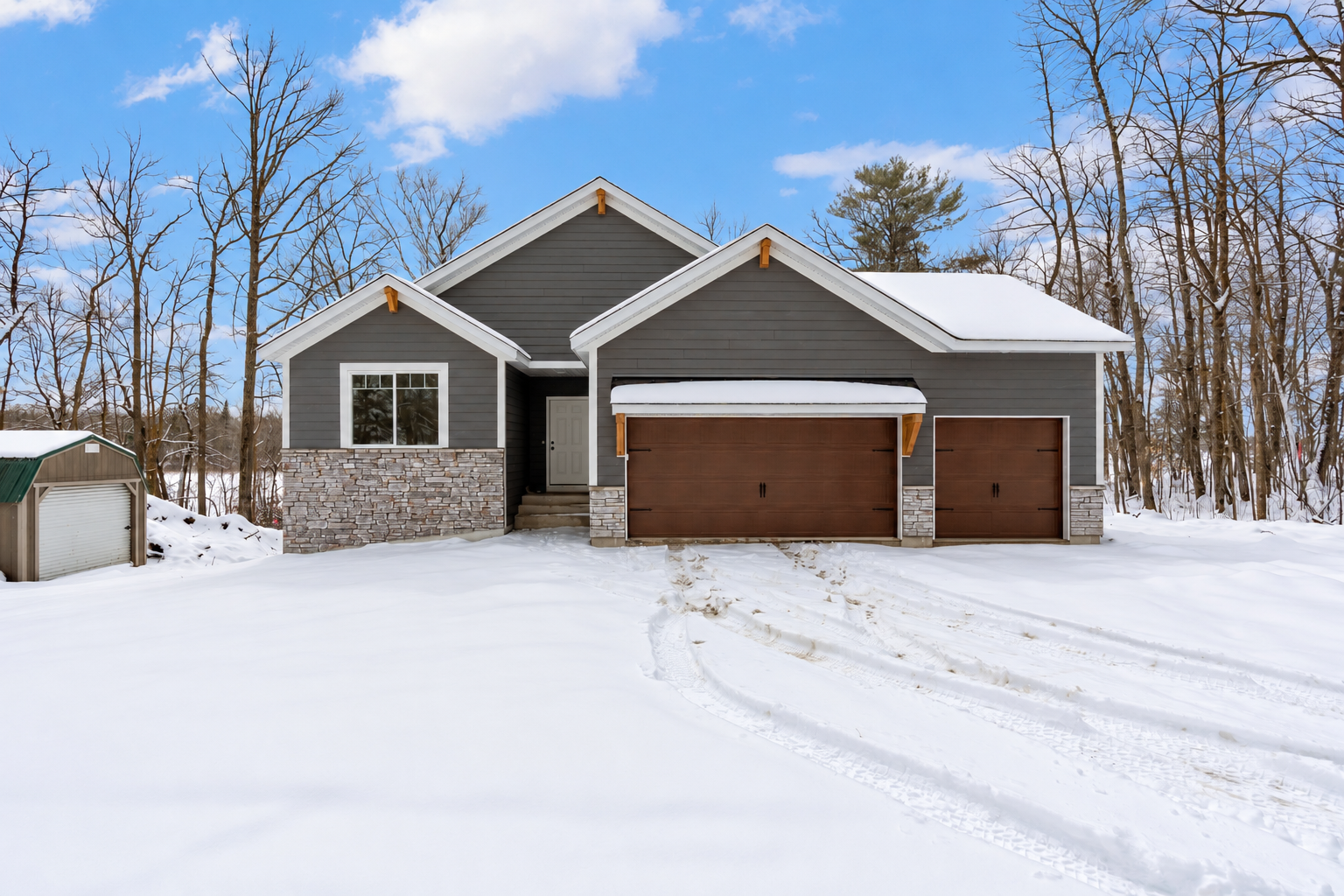
Your New Home's First Minnesota Winter: A Homeowner's Checklist
Your first winter in a new home comes with plenty to look forward to. A warm kitchen on a snowy morning. Family movie nights. Finding the perfect spot for your holiday decorations.
It's also a chance to get to know how your home works when Minnesota temperatures drop.
Even a brand-new home needs seasonal care. Understanding your heating system, managing indoor moisture, and preparing outdoor fixtures can help keep your home comfortable throughout the season.
Whether you built a custom home or purchased a new construction inventory home, here's how to prepare for your first Minnesota winter.
How Do You Prepare a New Construction Home for Winter?
Start by reviewing your homeowner information, checking your heating and ventilation systems, disconnecting outdoor hoses, and confirming any winterization needs. Learn how to manage indoor humidity, protect new concrete, and keep exterior vents clear of snow.
Some tasks should happen before freezing weather arrives. If cold temperatures are already here, address any unfinished preparation promptly and ask your builder or service provider about anything you're unsure of.
Related Reading: Seasonal Home Maintenance Tips for Minnesota Homes
1. Get to Know Your Heating and Ventilation Systems
Before you settle into your winter routine, take a few minutes to review the systems that help keep your home comfortable.
Locate your thermostat, heating equipment, filter, and any ventilation controls. Review the information provided at your homeowner orientation, along with the manufacturer's instructions.
A few helpful things to confirm:
- The correct filter size and recommended replacement schedule.
- How to use your thermostat’s scheduling features.
- How to operate your home’s ventilation system, if equipped.
- Who to contact if your heating system needs attention.
Keep supply registers and return grilles clear of furniture, rugs, and storage. A new sofa might fit perfectly along a wall, but it shouldn't cover an air opening.
If your home has a heat recovery ventilator (HRV) or an energy recovery ventilator (ERV), follow the instructions for that equipment. Ask your HVAC provider to explain the settings rather than turning the system off for winter.
2. Watch Indoor Humidity and Window Condensation
Why Is There Condensation on My New Windows?
Condensation can form when moist indoor air meets cold window glass. Cooking, showers, and other daily activities add moisture to your home. New concrete and some other construction materials can also contribute moisture as they dry.
Interior condensation does not automatically mean a window is defective, but persistent moisture deserves attention. The University of Minnesota Extension identifies winter window condensation as a possible sign of excess indoor moisture.
To help manage it:
- Use bathroom exhaust fans when showering and afterward.
- Use a kitchen exhaust fan that vents outdoors when cooking.
- Keep airflow around windows clear.
- Monitor indoor humidity with a humidity gauge.
- Follow your ventilation system’s operating instructions.
What Humidity Level Should a Minnesota Home Have in Winter?
The appropriate level depends on outdoor temperatures, your windows, and your home's systems. As temperatures drop, you may need lower indoor humidity to limit condensation.
Follow your window manufacturer's guidance and ask your HVAC provider about settings for your home. Avoid assuming that one humidifier setting will work all winter.
Wipe up moisture on glass and sills. If condensation persists, ice develops indoors, or you notice staining or moisture between panes, contact your builder or the appropriate service provider.
3. Prepare Outdoor Faucets and Irrigation
Do Frost-Free Outdoor Faucets Still Need Winter Care?
Yes. Frost-free faucets still need to be used and maintained according to their manufacturer's instructions. On many models, leaving a hose attached prevents proper drainage and can lead to freeze damage, as Woodford Manufacturing explains.
Before freezing weather:
- Disconnect garden hoses, splitters, and watering attachments.
- Drain and store hoses.
- Follow the winterization instructions for your specific outdoor faucets.
- Arrange professional irrigation winterization if your property has a sprinkler system.
Ask your builder or plumber whether your faucets require an interior shutoff and draining procedure. A faucet cover is not a substitute for the winterization steps your equipment requires.
If something appears frozen or damaged, contact a plumber rather than forcing it open.
4. Protect New Concrete During Its First Winter
Can You Put Salt on a New Concrete Driveway?
Avoid salt and chemical deicers during new concrete's first winter, and follow the care instructions from your concrete contractor. The Michigan Concrete Association recommends avoiding chemical deicers during the first winter and using sand for traction instead.
This applies to new concrete surfaces such as driveways, sidewalks, steps, and patios.
Plan to shovel promptly and use tools suited to the surface. Before hiring a snow removal service, let them know which areas contain new concrete and share any care requirements.
Be cautious with products labeled "concrete safe." Check with your concrete contractor before applying them to newly placed concrete.
Sand can improve traction, but it does not melt ice. Keep an eye on walking surfaces as temperatures change.
5. Make a Plan for Snow Around Your Home
Your driveway and front steps aren't the only places that need attention after a snowfall.
Learn where your home's heating and water-heating exhaust outlets, fresh-air intakes, and dryer vent are located. Keep them clear of snow and avoid piling shoveled snow against them. Xcel Energy recommends keeping meters and exhaust vents clear of ice and snow.
Also plan to:
- Keep entryways and designated emergency exits accessible.
- Keep snow piles away from window wells and exterior equipment.
- Check that downspout outlets remain unobstructed.
- Watch where meltwater collects during warmer days.
Knowing where these features are before a storm makes the next snowfall easier to manage.
6. Set Up Your Entryway for Everyday Winter Living
Winter preparation is also about making your home work for your routine.
Think about what happens when everyone comes inside at once. Where will wet boots go? Is there a place to hang coats? Can the kids reach their own hats and mittens?
A few simple additions can make a difference:
- Boot trays to collect melting snow.
- Mats suitable for your flooring.
- Hooks for frequently used coats.
- Baskets for gloves, scarves, and hats.
- A designated towel for snowy pet paws.
Wipe up standing water promptly and follow your flooring manufacturer's cleaning instructions. An organized entryway helps keep winter moisture from traveling through the rest of your home.
For more ideas, explore Transform Your Home with a Mudroom.
7. Keep Homeowner Information Within Reach
Your first winter may bring questions you didn't think to ask at closing. Keep your homeowner materials, equipment manuals, and service contacts somewhere easy to find.
Review how to report a concern and what information to include. Photos, dates, and a clear description can help the right person understand what you're noticing.
If your heating stops working or you discover an active leak, contact the appropriate service provider promptly rather than waiting for a routine follow-up.
Your First-Winter Checklist
Use this list as a starting point, along with the instructions specific to your home:
- Review heating, thermostat, and ventilation instructions.
- Check the heating-system filter.
- Keep indoor air registers and returns clear.
- Monitor humidity and window condensation.
- Disconnect outdoor hoses and watering attachments.
- Confirm faucet and irrigation winterization.
- Review first-winter concrete care.
- Locate exterior vents and plan where snow will go.
- Prepare entryways for wet boots and coats.
- Keep homeowner documents and service contacts handy.
Enjoy Your First Minnesota Winter at Home
A little preparation gives you more time to enjoy the home you've made your own. Learning your systems and building a few seasonal habits can help make that first winter more comfortable.
At Price Homes, we believe your home should fit the way you live through every Minnesota season. Have a question about caring for your new Price home? Reach out to our team for guidance on where to start.