
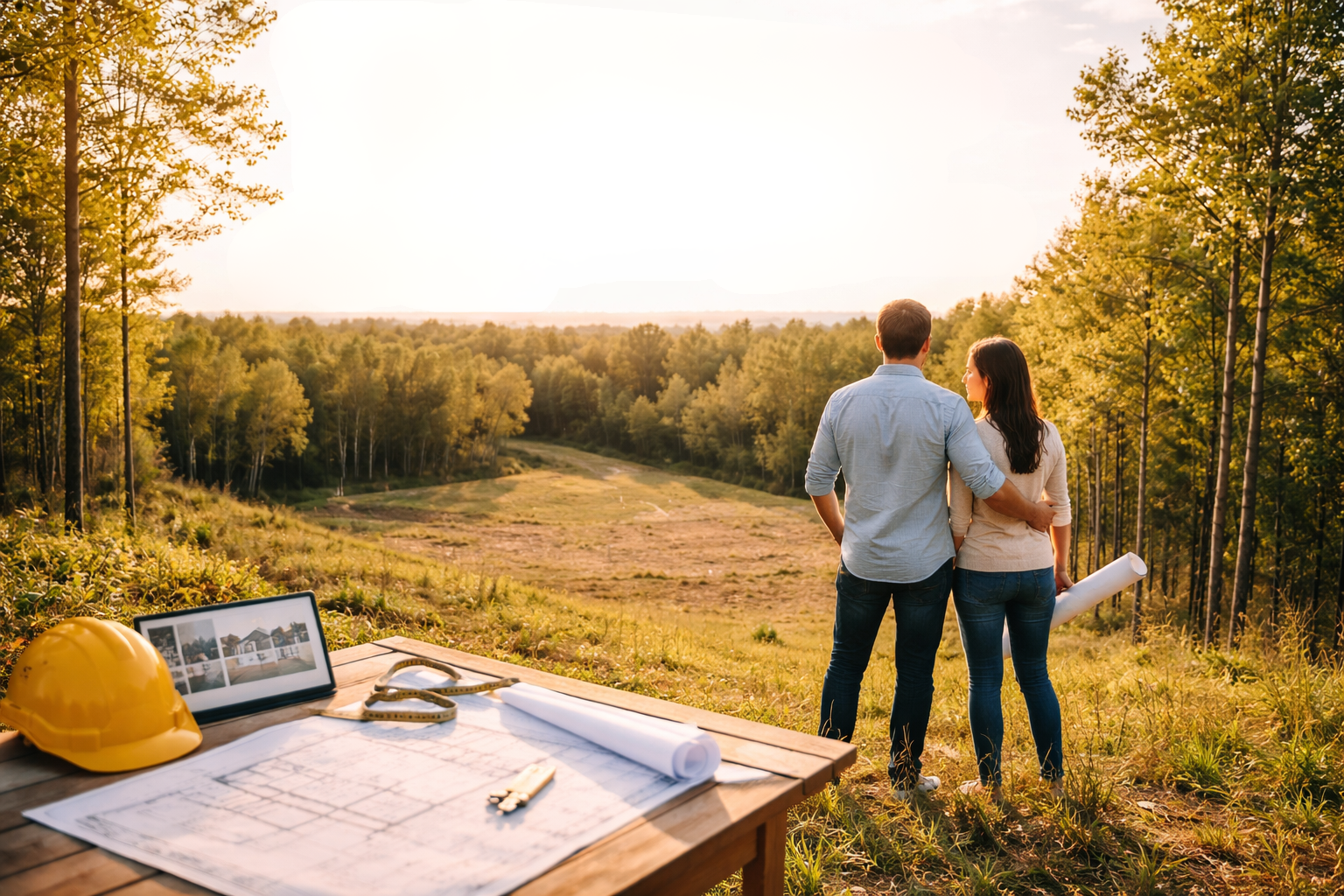
How to Buy Land for Your New Home: A Step-by-Step Guide
Building your dream home starts with one big decision: choosing the right piece of land.
Whether you're planning to build right away or simply securing the perfect future homesite, buying land is very different from buying an existing home. Here’s what you need to know before you make your move.
1. Decide: Development Lot or Raw Land?
Not all land is created equal. The first step is determining what type of property fits your goals.
✔️ Developed Lot in a Community
- Utilities already available
- Roads and sidewalks installed
- HOA and neighborhood guidelines in place
- Easier financing
This is often the simplest route if you want a streamlined building process.
✔️ Raw or Undeveloped Land
- More privacy
- Larger acreage options
- Greater customization
- May require septic, well, driveway installation
Raw land can be incredible — but it comes with more upfront planning and cost considerations.
2. Location Still Matters (A Lot)
Just like buying a home, location is everything.
Ask yourself:
- How far is the commute to work?
- What school district is it in?
- Are future developments planned nearby?
- Is it close to amenities you value?
Pro tip: Look into city or county future land-use plans. What’s farmland today could be commercial development tomorrow.
3. Understand Utilities & Infrastructure
Before purchasing land, confirm:
- Is water city-connected or will you need a well?
- Is sewer available or will you need a septic system?
- Is natural gas available?
- What about internet access?
Installing utilities can significantly impact your budget if they’re not already in place.
4. Check Zoning & Restrictions
Zoning determines:
- What type of home you can build
- Minimum square footage
- Setback requirements
- Whether outbuildings are allowed
If the property is in an HOA, review covenants carefully. Some communities have design guidelines that affect exterior materials, roof pitch, or even landscaping.
5. Get the Right Financing
Land loans are different than traditional mortgages.
Things to know:
- Larger down payments are common (often 20–50%)
- Interest rates may be slightly higher
- Loan terms are typically shorter
Some buyers choose to purchase land and then roll it into a construction loan later. Talking with a lender early can help you plan strategically.
6. Budget for More Than Just the Land
Beyond the purchase price, consider:
- Survey costs
- Soil testing
- Utility hookups
- Driveway installation
- Tree clearing or grading
- Permit fees
Understanding these early prevents surprises once construction begins.
7. Work with a Builder Before You Buy
One of the smartest moves you can make? Bring your builder into the process before closing on land.
A builder can help you:
- Evaluate whether your floor plan fits the lot
- Determine build orientation for sunlight and views
- Identify potential grading or drainage concerns
- Estimate site prep costs
This ensures your dream home truly fits your dream lot.
8. Think Long-Term
Ask yourself:
- Will this lot support resale value?
- Is the neighborhood growing?
- Does the layout allow flexibility for future needs?
Buying land isn’t just about today — it’s about protecting your investment.
Final Thoughts: Land Is the Foundation of Your Dream Home
Buying land is exciting — it’s the first tangible step toward building something that’s completely yours.
With the right planning, professional guidance, and clear understanding of costs, you can confidently choose a homesite that sets your new home up for success.
Ready to Find the Perfect Homesite?
If you’re considering building, our team would love to help you evaluate lot options, understand site costs, and design a home that fits beautifully on your property. Whether you're planning to build on your land, Price Homes can help you navigate the process from finding the right homesite to creating a home that fits your needs.
👉 Schedule a consultation today and let’s start planning your future home.