
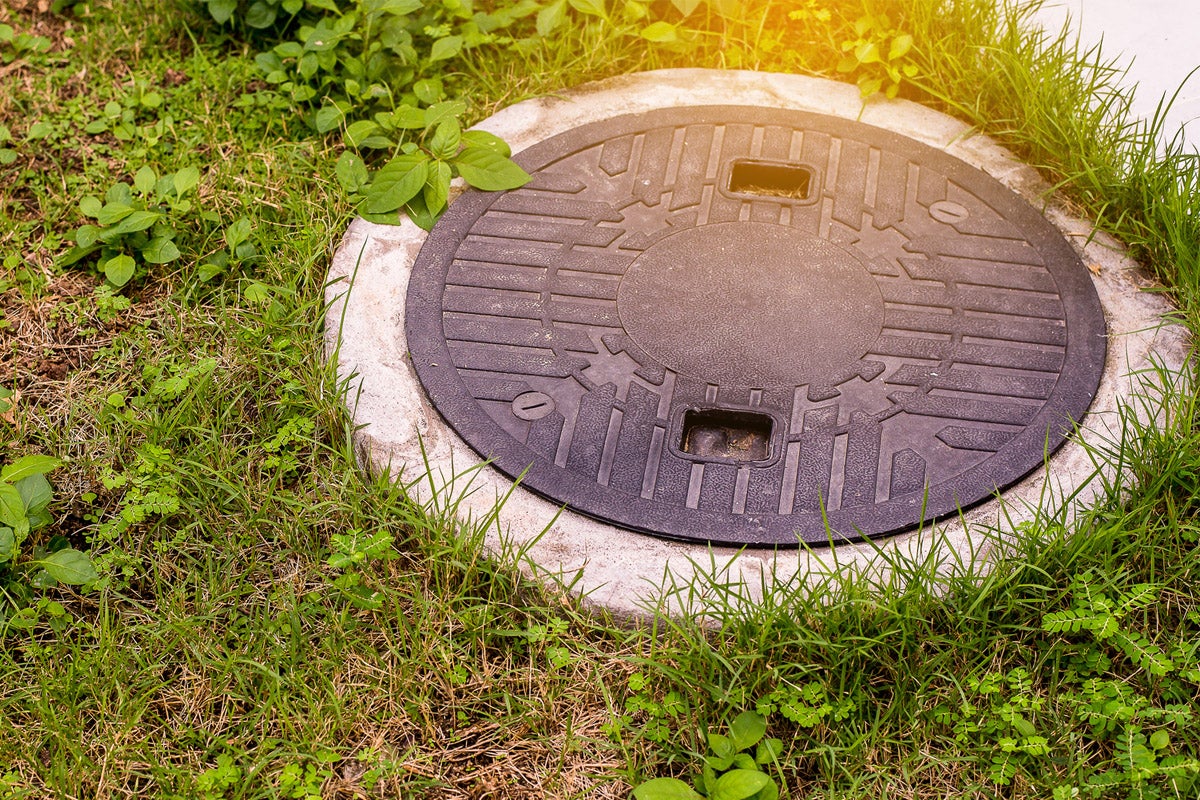
Wells, Septic Systems & City Water/ Sewer Connections
One common question we receive from future homeowners is:
"Will my home have city sewer and water or will I need a well and septic system?"
The answer depends entirely on where you're building.
At Price Homes we build throughout Minnesota on both city lots and rural acreage. That means every project is a little different. Understanding how water and sewer work before purchasing land can save thousands of dollars and prevent unexpected surprises during the building process.
This guide explains everything you need to know about wells, septic systems, city water and city sewer connections.
Building on a City Lot
If your property is located inside most city limits, the home will typically connect to City Water and City Sewer. Instead of installing a private well or septic system, your home connects to underground utility lines maintained by the city.
Some homeowners prefer city water and sewer because:
- No well maintenance
- No septic maintenance
- Unlimited municipal water supply
- Water quality is regularly tested
- Less equipment to maintain
- Smaller yard required since no septic drain field is needed
These homeowners simply pay a monthly utility bill similar to electric service.
Building on Acreage
Many of our customers dream of building on acreage outside city limits.
In these locations, home typically require private well and a private septic system. While this may sound intimidating, modern well and septic systems are extremely reliable and can provide decades of dependable service when properly installed.
How Does a Private Well Work?
A private well supplies fresh groundwater directly to your home.
A licensed well contractor drills deep into underground aquifers until a reliable water source is located.
Most residential wells in Minnesota are between approximately 60 and 300 feet deep, although some locations may require shallower or deeper wells depending on local geology and groundwater conditions.
Once drilled, the well includes:
- Well casing
- Submersible pump
- Pressure tank
- Water line to the home
- Electrical wiring
- Pitless adapter to protect against freezing
Inside your home, you'll have pressurized water that functions just like city water.
Most homeowners never notice a difference in everyday use.
Does Well Water Taste Different?
Sometimes.
Every groundwater source is unique. Some wells produce exceptionally clean water while others naturally contain minerals such as:
- Iron
- Manganese
- Calcium
- Sulfur
If needed, simple water treatment systems can improve taste, remove staining, soften water, or improve overall water quality.
What Does a Well Cost?
Every property is different, but several factors affect pricing, including:
- Well depth
- Soil and rock conditions
- Pump size
- Distance from the house
- Electrical installation
- Water line length
- Steel casing
Because each site is unique, the final cost can vary significantly but a typical 100' well costs $16,500.
What is steel casing on a well?
The majority of wells we drill are PVC casing but some wells require steel casing due to the geology of the ground where the well will be placed, typically its if there is bedrock that we need to drill through, when that happens the well cost goes up. When drilling with steel casing the price of the well goes up $50 per ft drilled.
What if my well is deeper than 100'?
Well depths vary, if your well depth is deeper than 100', the cost to go deeper to find a good layer of water is $50 per ft after the first 100'.
How Does a Septic System Work?
A septic system safely treats wastewater from your home.
Everything that goes down your:
-
Toilets
- Showers
- Sinks
- Washing machine
- Dishwasher
flows into an underground septic tank.
Inside the tank:
-
Solids settle to the bottom
- Oils float to the top
- Clarified water flows to the drain field where it naturally filters through the soil
When designed and maintained properly, septic systems are extremely safe and environmentally friendly.
What Determines the Size of a Septic System?
Contrary to popular belief, septic systems are generally designed based on the home's bedroom count rather than the number of bathrooms. The county reviews the home's design and determines the required system size during permitting. Soil conditions and available space on the property also play a major role.
What is a Drain Field?
The drain field (sometimes called a leach field) is the portion of the septic system that disperses treated water into the surrounding soil.
This area must remain protected.
Homeowners should avoid:
-
Building sheds over it
- Driving heavy equipments across it
- Planting large trees nearby
- Altering the grading without consulting a professional
Protecting the drain field helps maximize the life of the system.
How Long Does a Septic System Last?
A properly maintained septic system can often last several decades.
Its lifespan depends on:
-
Soil conditions
- System design
- Household water usage
- Proper maintenance
- Avoiding misuse
Regular inspections and pumping the septic tank when recommended help extend its life.
How Often Does a Septic Tank Need to Be Pumped?
Every family uses water differently.
Most homeowners should plan to have their septic tank inspected periodically and pumped as recommended by a licensed septic professional.
Waiting too long between pump-outs can shorten the life of the system.
Most homeowners should have their septic tank inspected every 2-3 years and pumped approximately every 3-5 years. Larger families or homes with heavier water usage may require more frequent pumping.
Can I Build Anywhere on My Land?
Not always.
Before construction begins, several evaluations may be required.
These can include:
-
Soil testing
- Septic site evaluation
- Well location review
- Setback requirements
- Wetland reviews
- Easements
- Utility availability
One of the first things we help customers determine is whether their land can support the home they want to build.
What is a Soil Test?
A soil test evaluates the property's soil characteristics. This information helps determine the septic design. Different soil types absorb water differently, making this one of the most important early steps in the building process.
Can I Have Both City Water and a Septic System?
Yes.
Some developments provide city water but require private septic systems. Some developments may have community sewer systems as well. Every development is different and we are here to help guide you on your options and inform you of the costs.
Can I Have Both City Sewer and a Well?
Yes.
Some developments provide city sewer but require a private well.
How Price Homes Helps
Whether you're building in a neighborhood or on rural acreage, we guide you through every step of the process.
Our team coordinates with:
- Counties
- Cities
- Well contractors
- Septic designers
- Excavation contractors
- Utility companies
We'll help determine what services are available, explain the costs involved, coordinate the installation process, and answer your questions before construction begins.
Our goal is to make building your new home as simple and stress-free as possible.
Typical Costs
| Item | Typical Cost |
| Well up to 100ft, PVC casing | $16,500 |
| Well additional depth beyond 100ft | $50/ linear ft |
| Well steel casing when required | +$50/ linear ft |
| Septic - Standard | $20,000 |
| Septic - Pressurized Bed | $25,000 |
| Septic - Mound System | $30,000 |
| City Sewer & Water Connection | $4,500 |
Frequently Asked Questions
yes. We can often review a property and help identify water and sewer costs for your lot and a lot that your are looking at buying for your next home.
Neither is universally better. City water and sewer offer convenience and lower maintenance, while private wells and septic systems provide independence and are often the only options on beautiful rural properties. The best choice depends on your goals, location, and the type of property you want to build.
Thinking About Building in Minnesota?
Whether you're building on your own land or need help finding the perfect lot, Price Homes has experience building throughout Minnesota on city lots, acreage, and rural properties. Our team can explain options, estimate site development costs, and help you understand exactly what your project will require before construction begins.
Have questions? Contact Price Homes, we are happy to help.